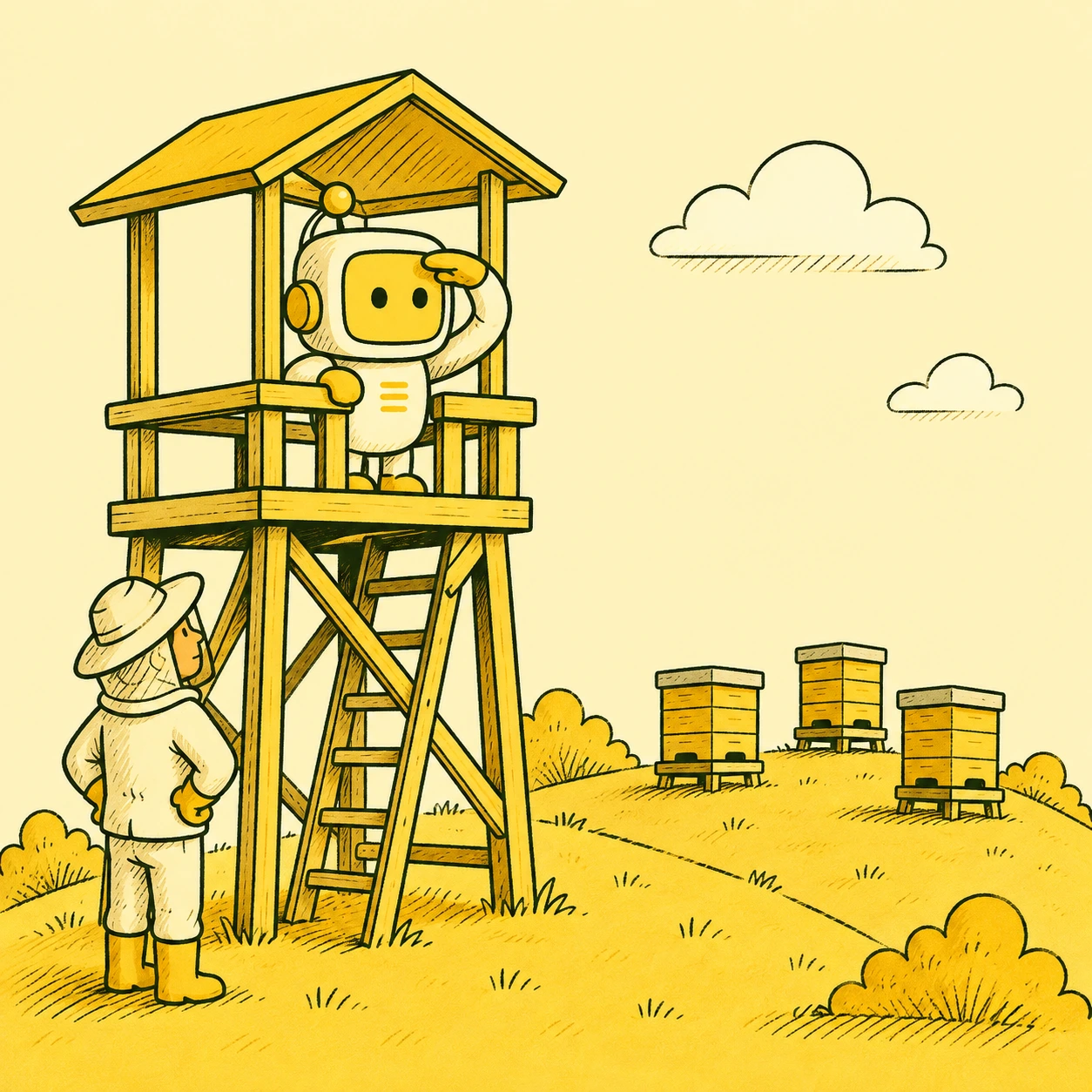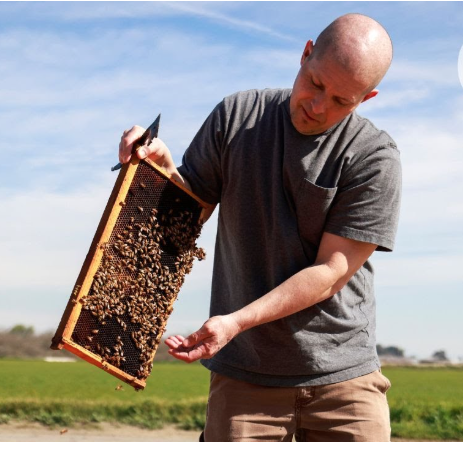
Communication is key! Clear communication before bloom sets expectations and can prevent costly missteps once bees are placed.
To ensure ease of access for your beekeeper, double check that all orchard access points and hive placement areas are clear of debris, weeds, and equipment.
Once mistakenly considered competition, cover crops are now recognized as a critical asset for pollination success and soil health. They:
Recommended cover crop groups include:
Provide clean, reliable water sources for bees. They get thirsty, too! Make sure to position water away from pesticide runoff to prevent contamination and protect colony health.
Prioritize southern or eastern exposure in open, sunny areas. Early morning sunlight encourages earlier bee flight, which is critical as almond anthers dehisce (release pollen) when humidity drops. Research shows south and east-facing hives provide an average of 44.2 additional minutes of bee flight time compared to west-facing hives, significantly improving pollination and nut set.

Keep access routes open and unobstructed throughout bloom to allow beekeepers to service hives as needed.
Protecting bees during bloom is non-negotiable. Here are some tips to help keep them happy and healthy:
Post-bloom evaluation helps translate this season’s outcomes into smarter decisions for the next.
After bloom, conduct a visual walkthrough to evaluate early nut set across blocks. Identify areas of soil compaction or low spots where water pooled and assess tree health in these areas to understand potential impacts on yield. These conditions can influence bee movement, forage availability, and overall pollination efficacy and should be factored into hive placement decisions in future seasons.
Data Analysis
Once yield and set data become available, review pollination performance by block to better understand what worked and where adjustments may be needed.
Process Refinement
This review helps separate environmental challenges from logistical variables that can be optimized.
Post-bloom is also an ideal time to evaluate habitat strategies and plan improvements for the year ahead. If cover crops were used, assess their performance and impact on bee activity, soil health, and water infiltration. If cover crops are not yet part of your system, consider whether they could play a role in supporting pollination and long-term orchard health.
Interested in implementing or expanding cover crops? BeeHero may be able to help offset associated costs through partner programs. Reaching out early allows time to plan species selection and establishment ahead of the next bloom. Contact the BeeHero team to learn more about available options.
Planning ahead for next season and looking to improve pollination outcomes? BeeHero is here to help. Connect with our team to explore how precision pollination can maximize crop potential and reduce costs for your operation.