
Food security, climate resilience, and environmental sustainability are no longer separate conversations. They intersect most sharply in agriculture, where farmers are under pressure to produce more food with fewer resources while reducing their environmental footprint.
A recent Newsweek report on agricultural challenges found that global farms must increase food production by around 60% by 2050. At the same time, extreme weather, biodiversity loss, and regulatory pressure are reshaping how food is grown. While much attention has focused on advances in genetics, soil health, and AI-driven farm management, one critical input often remains overlooked: pollination.
Roughly 75% of agricultural crops depend to some degree on insect pollination. For high-value fruit, nut, and seed crops, pollination is as essential as water or fertilizer. A single healthy beehive can pollinate more than ten million flowers per day.
Yet pollination systems are increasingly fragile. In the United States alone, beekeepers lost an estimated 62% of their colonies last year, far above the historical average of around 40%. Europe has experienced similar pressures. This level of loss creates real risk for growers, food supply chains, and ultimately consumers.
“We’re not sure whether this spike is a one-off or the new normal,” says Omer Davidi, CEO and co-founder of BeeHero. “But either way, it makes the system very fragile.”
Beekeeping is a form of livestock management, but unlike most livestock, honeybee colonies are highly mobile. Commercial hives are moved thousands of miles each year to support different crops through their bloom windows. Each move exposes colonies to new climates, forage conditions, and disease pressures.
“The hive is a complex and sensitive superorganism,” Davidi explains. “From the first real sign of trouble to complete collapse can be a few days.”
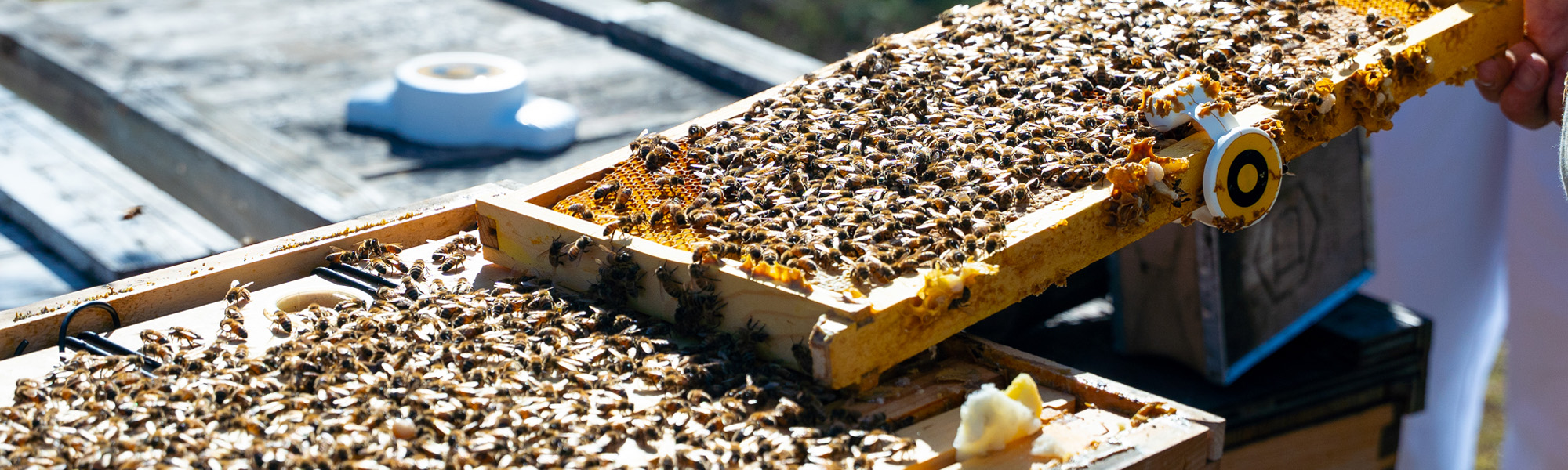
Traditionally, beekeepers have relied on periodic physical inspections to assess hive health. At scale, that approach simply doesn’t provide enough visibility or enough time to act. By the time visible symptoms appear, interventions such as feeding, queen replacement, or disease treatment are often too late.
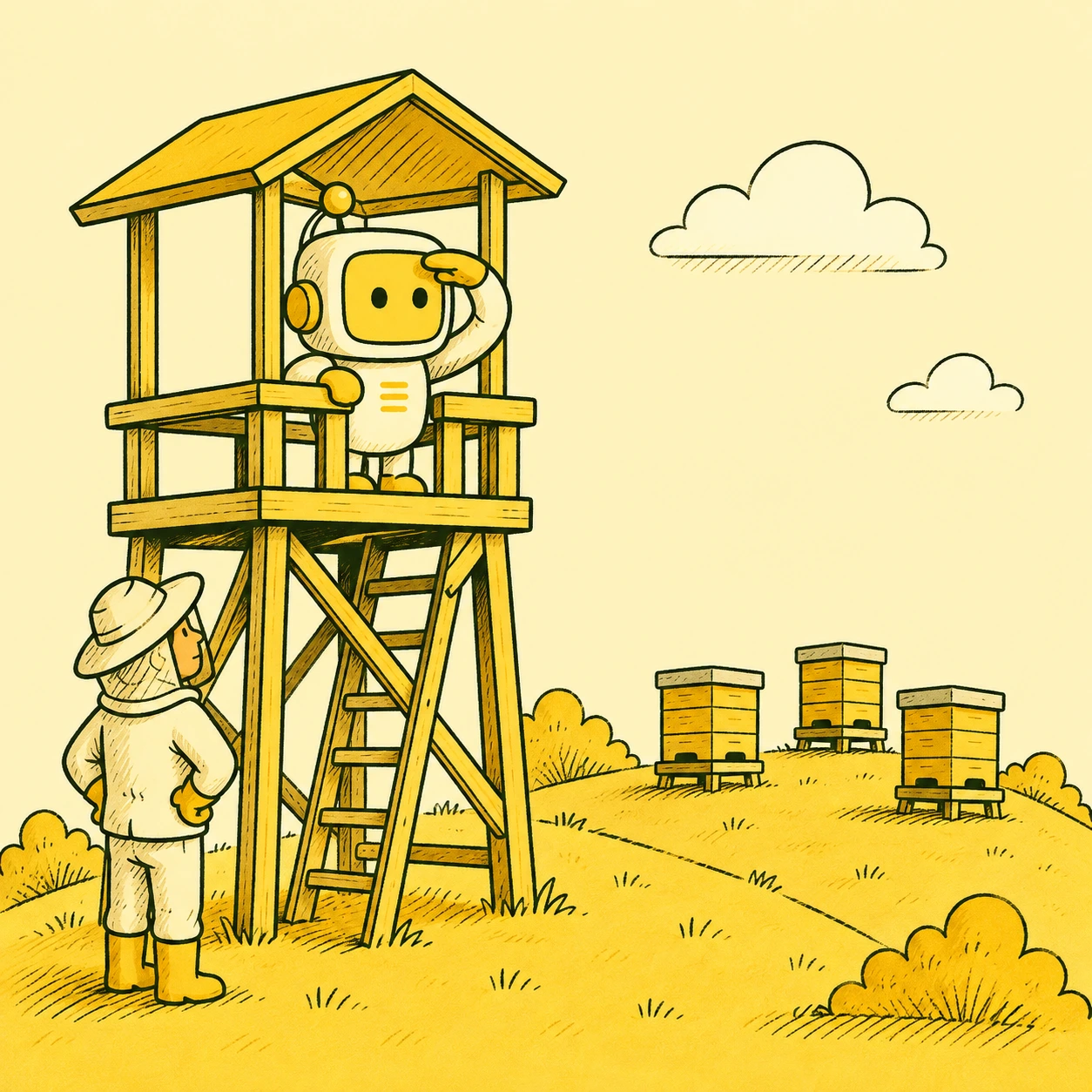
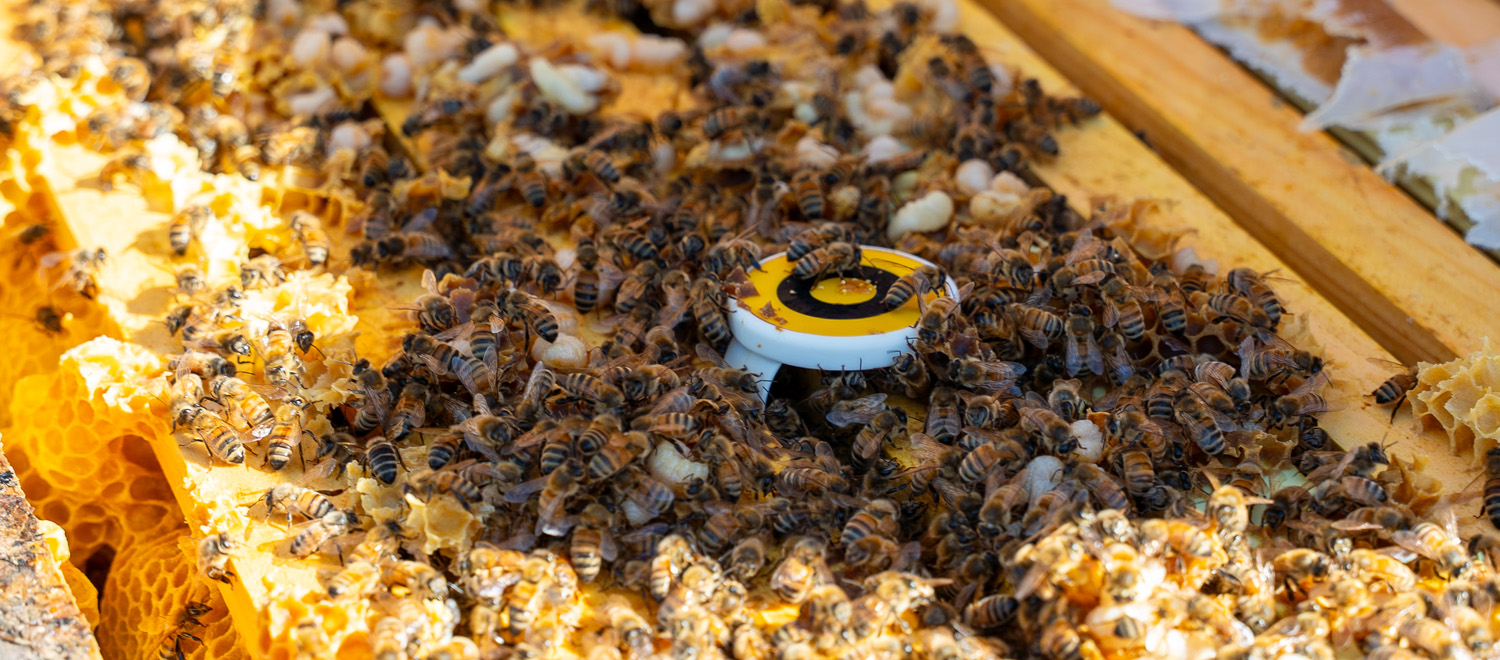
BeeHero was founded to address this blind spot. Our company developed an Internet-of-Things monitoring system that integrates directly into existing beehives, collecting continuous data from inside the colony. Rather than reacting to collapse, beekeepers can see when a hive is trending in the wrong direction and intervene while there is still time to save it.
Once strong, healthy colonies are deployed into fields and orchards, the impact compounds. Healthy hives mean more consistent pollination, better fruit set, and more predictable yields, without increasing land use or chemical inputs.
“A dead hive pollinates none,” Davidi notes. “When you’re deploying hundreds of thousands of hives across millions of acres, that difference becomes enormous.”
In discussions about the future of agriculture, questions often arise about whether technology could one day replace bees entirely. While Davidi doesn’t dismiss innovation, he sees the economics and biology pointing in a different direction.
“As long as bees exist in meaningful numbers, the economics will favor working with them rather than replacing them,” he says. “The agenda is to protect them, to work with them, and to use data and precision to make that relationship more resilient.”
One of the most important shifts highlighted in Newsweek’s report is the growing alignment between environmental responsibility and farm economics. Precision pollination data allows growers to make more informed decisions, not only about hive placement, but also about spraying schedules, irrigation, and nutrient use.
In some cases, BeeHero’s data has shown that bees were highly active at times growers believed fields were safe to spray. Adjusting operations to avoid those windows protects pollinators and improves yields at the same time. Similarly, understanding pollination success early allows growers to tailor inputs to expected fruit load, reducing waste and cost.
As agriculture confronts climate change, biodiversity loss, and rising demand, the systems that support food production must become more resilient, not just more intensive. Pollination is foundational infrastructure, even if it has historically been treated as invisible.
By bringing data, early detection, and coordination into pollination, BeeHero is helping growers, beekeepers, and supply chains strengthen one of the most fragile links in global agriculture.
Pollination is too critical to leave to chance. Discover how BeeHero's precision monitoring helps growers and beekeepers protect hives, improve yields, and build more resilient operations. Contact our team or explore our technology.